The Ecosystem of Dokdo: A Unique Marine Biodiversity Hotspot
Introduction
Dokdo, a small island territory in the East Sea (Sea of Japan), represents one of the most remarkable ecological environments in Northeast Asia. Comprising two main islets—Dongdo (East Island) and Seodo (West Island)—along with numerous surrounding rocks, Dokdo hosts a distinctive ecosystem characterized by the convergence of various oceanic currents, creating a unique marine biodiversity hotspot. This document presents a comprehensive overview of Dokdo's ecosystem, emphasizing its ecological significance, biodiversity, and conservation status.
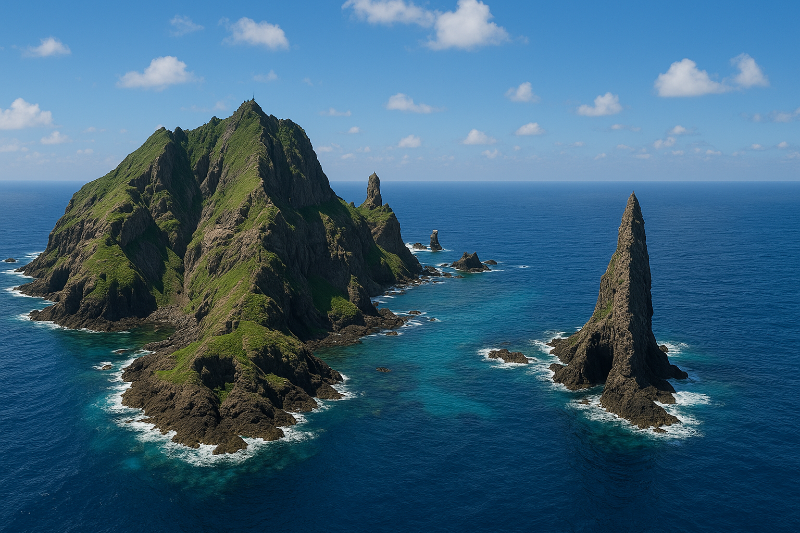
Geographical Context
Situated approximately 216 kilometers east of the Korean mainland and 87 kilometers east of Ulleungdo Island, Dokdo's isolated location has enabled the development of a specialized ecosystem. The islands, volcanic in origin, feature rugged terrain with steep cliffs rising from the sea, creating diverse microhabitats. The total land area spans merely 0.18 square kilometers, yet the ecological importance of Dokdo extends far beyond its terrestrial boundaries to encompass the surrounding marine environment.
Marine Ecosystem
Oceanographic Characteristics
Dokdo's marine ecosystem is significantly influenced by the convergence of three major currents:
- The North Korean Cold Current
- The East Korean Warm Current (a branch of the Tsushima Current)
- The Liman Cold Current
This convergence creates a dynamic environment where cold and warm water species coexist, contributing to remarkable biodiversity. The varying water temperatures throughout the year (ranging from 10°C to 24°C) support diverse marine communities adapted to different thermal conditions.
Marine Biodiversity
Scientific surveys have documented impressive marine biodiversity around Dokdo:
- Algae: Over 130 species of seaweed have been identified, including economically valuable species such as Undaria pinnatifida (miyeok) and Saccharina japonica (dasima).
- Invertebrates: Approximately 540 species of marine invertebrates inhabit Dokdo's waters, including various mollusks, echinoderms, and crustaceans.
- Fish: More than 260 fish species have been recorded, representing both temperate and subtropical zones, including commercially important species like the Korean rockfish (Sebastes schlegelii).
- Marine Mammals: Several species of dolphins and whales frequent the waters surrounding Dokdo, utilizing the area as a feeding ground or migration route.
The complex underwater topography, featuring submarine caves, crevices, and varied substrate types, provides habitats for numerous specialized marine organisms.
Terrestrial Ecosystem
Despite its limited land area, Dokdo supports a remarkable terrestrial ecosystem adapted to the harsh maritime environment characterized by strong winds, salt spray, and limited freshwater.
Flora
Approximately 60 plant species have been identified on Dokdo, demonstrating remarkable adaptations to the maritime environment:
- Salt-tolerant Plants: Species like Sedum oryzifolium and Artemisia japonica have developed mechanisms to withstand high salt concentrations.
- Endemic Plants: While Dokdo has few strictly endemic plants, several species display unique morphological adaptations specific to the island's environment.
- Vegetation Zonation: The islands exhibit clear ecological zonation, with different plant communities established based on elevation, exposure to sea spray, and soil conditions.
Fauna
The terrestrial fauna of Dokdo includes:
- Birds: The islands serve as important breeding grounds for seabirds, including the black-tailed gull (Larus crassirostris), streaked shearwater (Calonectris leucomelas), and the vulnerable swinhoe's storm petrel (Oceanodroma monorhis).
- Invertebrates: Several species of terrestrial invertebrates, including insects and arachnids, have established populations on the islands.
- Introduced Species: Limited human presence has resulted in the introduction of some non-native species, which are monitored to prevent ecological disruption.
Ecological Significance
Dokdo's ecosystem holds particular significance for several reasons:
- Biogeographical Importance: Situated at the convergence of different biogeographical regions, Dokdo serves as an important study site for understanding species dispersal and distribution patterns in the East Sea.
- Ecological Indicators: The sensitive marine species around Dokdo function as indicators of broader oceanic health and climate change impacts in Northeast Asian waters.
- Genetic Resources: The unique adaptations of Dokdo's species represent valuable genetic resources with potential applications in biotechnology, pharmaceuticals, and sustainable agriculture.
- Scientific Research: As a relatively isolated ecosystem, Dokdo provides valuable opportunities for ecological research on adaptation, succession, and ecosystem resilience.
Conservation Status and Challenges
Recognizing the ecological value of Dokdo, comprehensive conservation measures have been implemented:
- Designation as a Natural Monument (No. 336) by the Korean government
- Establishment of the Dokdo Marine Protected Area
- Implementation of strict visitor regulations to minimize human impact
Despite these protections, Dokdo's ecosystem faces several challenges:
- Climate Change: Rising sea temperatures and ocean acidification threaten the delicate balance of marine communities.
- Marine Pollution: Plastic debris and chemical pollutants from distant sources affect water quality and marine organisms.
- Invasive Species: The introduction of non-native species poses risks to the native ecological communities.
- Limited Freshwater: Changing precipitation patterns may affect the already scarce freshwater resources essential for terrestrial vegetation.
International Significance
Dokdo's ecosystem transcends national boundaries in its ecological significance. The island serves as an important stopover for migratory birds following the East Asian-Australasian Flyway and supports marine species that migrate throughout the East Sea and beyond. The conservation of Dokdo's biodiversity thus represents a responsibility of international importance.
Conclusion
The ecosystem of Dokdo stands as a testament to nature's resilience and adaptability. Despite its small size, the island hosts remarkable biodiversity, shaped by unique geographical conditions and the convergence of different biogeographical influences. As we face global environmental challenges, the preservation of specialized ecosystems like Dokdo becomes increasingly vital, not only for the intrinsic value of the species they harbor but also for the ecological insights they provide. Continued research, monitoring, and conservation efforts are essential to ensure this unique ecosystem persists for future generations, serving as both a natural laboratory and a symbol of biological heritage in the East Sea region.
References
This document draws upon scientific research published by various Korean and international research institutions, including the Korea Institute of Ocean Science and Technology (KIOST), the National Marine Biodiversity Institute of Korea (MABIK), and numerous peer-reviewed academic publications cataloging the flora and fauna of Dokdo and its surrounding waters.
'역사 &' 카테고리의 다른 글
| 유권자의 날이란? (7) | 2025.05.10 |
|---|---|
| 국내 유명사찰 탐방: 한국의 역사와 영성을 만나다 (20) | 2025.05.06 |
| 독도의 생태계: 독특한 해양 생물다양성의 중심지 (5) | 2025.05.05 |
| 부처님오신날, 왜 특별할까? – 깨달음과 자비의 의미를 되새기는 날 (9) | 2025.05.05 |
| 어린이날: 아이들의 웃음소리가 세상을 밝히는 특별한 하루 (10) | 2025.05.04 |


